
How to Recognize and Repair Concrete Cancer
Concrete cancer, also referred to as concrete spalling, can cause significant damage to your structure if not addressed promptly. The key to minimizing repair costs is early detection. The longer you wait to fix it, the more expensive the repairs will be.
If you are responsible for the maintenance of a building, whether you are a building or project manager, regular inspections are essential. During these inspections, if you’re wondering, “What does concrete cancer look like?” — keep reading! In this guide, we’ll explore what concrete cancer is, its causes, how to identify it, and the repair options available.
What Is Concrete Cancer?
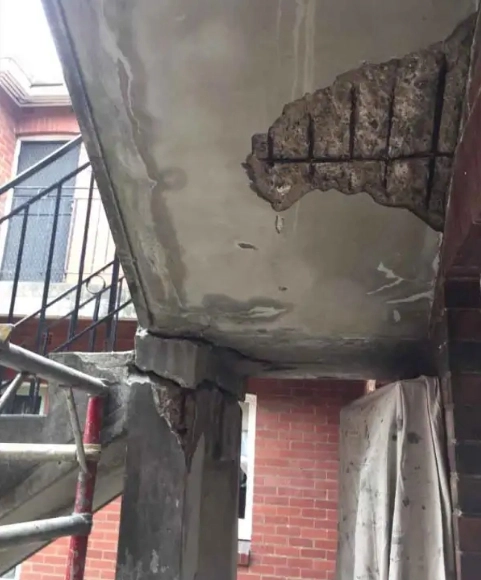
To understand concrete cancer, we must first look at the structure of concrete. Concrete is a porous material, which means it can absorb both water and salt air. When concrete is used in construction, reinforcing steel is embedded inside to strengthen the structure. However, the porosity of concrete allows it to absorb moisture and salt, which can corrode the steel inside.
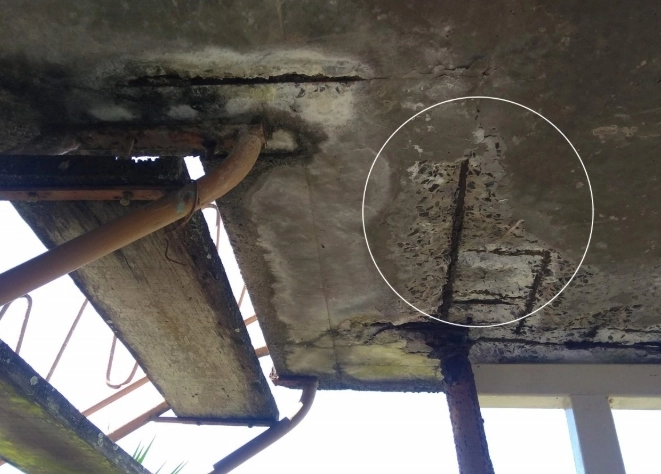
When the steel inside the concrete rusts, it expands. This expansion cracks the concrete, which worsens the corrosion and accelerates the process. As more steel becomes exposed, the damage grows rapidly. The reason it’s called “cancer” is because, if left untreated, the problem will worsen quickly, undermining the structure’s integrity.
Identifying Concrete Cancer: Signs to Look For
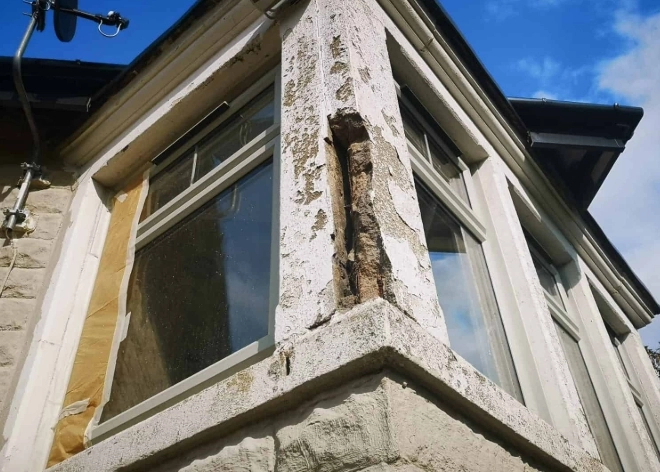
Fortunately, detecting concrete cancer is often more straightforward than diagnosing cancer in people. Regular inspections will help you catch it early. Here are the most common signs that indicate the presence of concrete cancer:
• Cracks in the concrete
• Crumbling concrete or pieces falling away
• Rust stains appearing on the concrete
• Leaks in the concrete
• Bubbles or blisters forming on the surface
• The concrete expanding outwards
By keeping an eye out for these signs, you can address the issue before it escalates, saving time, money, and potential structural damage. If any of these symptoms are detected, it’s crucial to call a professional to confirm the diagnosis.
Getting a Professional Diagnosis
While some signs may be obvious, it’s essential not to jump to conclusions. A crack, for example, doesn’t automatically mean concrete cancer. You need a concrete expert to assess the situation accurately. A trained professional will determine the root cause of the issue and recommend an effective course of action. Only with a detailed diagnosis can you be sure that the right solution is applied.
What Causes Concrete Cancer?
The main culprit behind concrete cancer is moisture. However, there are several contributing factors that could accelerate the deterioration of your concrete structure:
• Poor waterproofing, allowing water to seep into the concrete
• Exposure to salt air or chlorides, particularly in coastal or riverfront areas
• Building defects, such as inadequate concrete coverage around steel reinforcements
• Humid or rainy weather, along with general wear and tear
• Low-quality concrete used in the original construction
• Shifting foundations that cause cracks in the concrete
Structures at Risk
Concrete cancer is most commonly found in older structures, especially those over 10 years old. However, newer buildings aren’t immune. If your building is older, you should be especially vigilant and monitor it for signs of concrete cancer. Regular inspections are essential in ensuring the structure remains safe and stable.
How to Repair Concrete Cancer
Once you’ve detected concrete cancer, it’s essential to address it as soon as possible to avoid compromising the building’s structural integrity. While there are several methods available, repairing concrete cancer should be handled by professionals. Below are common approaches to fixing this issue:
Polymer Modified Repair
When carbonation has affected the concrete and the steel isn’t adequately covered, polymer modified repair is often the go-to method. This process begins by removing the damaged concrete and cleaning the rusted steel. A steel primer is applied to the surface, and then a polymer-modified material is used to cover the area. An anti-carbonation sealant is often applied to the entire surface to enhance its resilience against future damage.
Electrochemical Treatment
Electrochemical treatment is typically used in areas where salt exposure is a concern. This method works by making the metal surface act as a cathode of an electrical cell, limiting the corrosion of the steel. A sacrificial, more easily corroded metal is placed near the steel to act as an anode, effectively preventing further damage.
Replacement Method
In this approach, the affected concrete and steel are removed and replaced with new materials. The entire area is cleaned and re-waterproofed to prevent further moisture ingress. This method is ideal for more severe cases of concrete cancer, where other treatments may not be effective.
Typical Concrete Cancer Replacement Process:
• Remove the affected concrete and steel
• Cut and clean the edges of the damaged area
• Clean the surrounding concrete and steel
• Apply primers and rust inhibitors
• Install new steel reinforcements and concrete
• Apply a waterproof sealant over the new concrete
Model we recommend: AC8500 ring saw
Legal Considerations for Concrete Repair
In some cases, if the cost of repair is under $20,000 and doesn’t affect the building’s compliance, you may be able to carry out the repairs yourself. However, for something as critical as concrete cancer, it’s highly recommended that you hire a professional to ensure the repairs are done correctly. Poorly executed repairs can result in higher costs down the line and potentially further structural damage.
Should You Buy a House with Concrete Cancer?
Buying a house with concrete cancer is possible, but it’s not advisable. While the structure might be physically safe, the financial implications of repairing the damage could be significant. If concrete cancer is left undiscovered, you could end up facing costly repairs in the future, which could affect the overall value of the property.
Maintenance vs. Repair
Remember, maintenance and repair are not the same. Maintenance is an ongoing, relatively small cost designed to prevent major issues from arising. Regularly inspecting your concrete structure, applying waterproof coatings, and addressing minor imperfections can save you from much larger repair costs in the future.
How Our Products Can Help
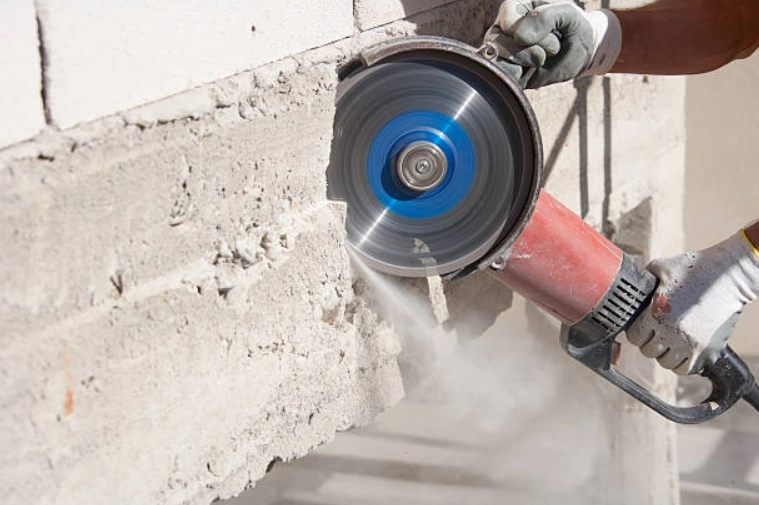
If you’re dealing with concrete cancer and need to remove damaged concrete or cut into tough materials like concrete and masonry, consider using our AC8400 Ring Saw, AC8500 Ring Saw, or AC8600 Ring Saw. These high-performance tools are designed for precision and durability, making them an excellent choice for professional repairs. Whether you’re cutting through concrete, brick, or stone, these saws offer the reliability and efficiency needed for challenging tasks.
| Specification | AC8400 | AC8500 | AC8600 |
|---|---|---|---|
| Rated Power | 5000W (6.7hp) | 5000W (6.7hp) | 5000W (6.7hp) |
| Constant RPM | 2200rpm | 1800rpm | 1500rpm |
| Blade Diameter | 400mm | 500mm | 600mm |
| Max. Cutting Size | 290mm | 390mm | 490mm |
| Net Weight (N.W.) | 11kg (24lbs) | 11kg (24lbs) | 11kg (24lbs) |
| Voltage | 220V | 220V | 220V |
| Plug | European standard | European standard | European standard |

AC8500 ring saw
Senmine provides some of the best solutions for industrial cutting and drilling needs. We specialize in high-quality diamond tools, including ring saws with blades,ring saw blades, core drilling machines, core drill bits and stone/ceramic diamond saw blades. With over 12 years of expertise, Senmine is committed to delivering precision and reliability. We offer excellent customer service, with quick response times for quotes and a focus on high performance. Having completed numerous successful projects globally, we pride ourselves on a strong safety record. For top-tier diamond tools and cutting solutions, contact us today!